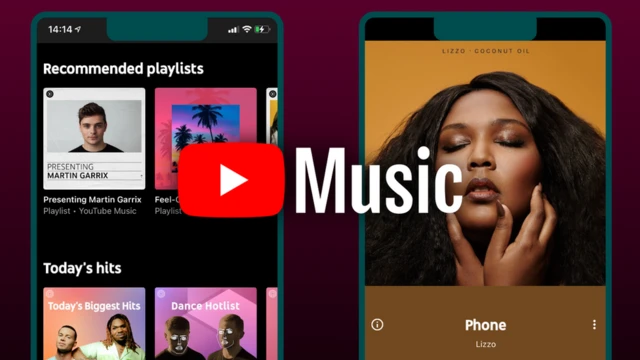
Google has begun rolling out a new artificial intelligence-powered playlist feature on YouTube Music, aiming to make music discovery faster and more intuitive. The update allows subscribers to create custom playlists simply by describing the kind of music they want, eliminating the need to manually search for individual tracks. The feature is currently available to YouTube Music Premium and YouTube Premium users on both Android and iOS devices.
The new tool, called AI Playlist, can be found within the Library tab of the YouTube Music app. To access it, users tap on “New” and then select “AI Playlist.” From there, they can enter either a text or voice prompt describing their desired mood, genre, activity, or theme. Once the request is submitted, the app generates a playlist tailored to that description within seconds. A small Gemini logo appears alongside the feature, signaling that Google’s Gemini AI models power the experience, although the company has not explicitly referenced its chatbot in official announcements.
YouTube confirmed the rollout through a post on X, describing the feature as another step in Google’s expanding use of AI across its ecosystem of products. The company emphasized how easily users can transform a simple idea—such as “relaxing acoustic songs for a rainy evening” or “high-energy 2000s workout hits”—into a fully curated playlist. By leveraging natural language input, YouTube Music removes much of the friction traditionally associated with playlist building.
Behind the scenes, the AI Playlist feature combines Google’s Gemini models with YouTube’s vast music catalogue. The system interprets prompts by analyzing moods, genres, themes, and contextual clues. It draws on a mix of metadata, artist relationships, and users’ listening habits to generate recommendations. While YouTube has not disclosed detailed technical specifics, the company notes that the AI model continues to improve over time based on how users interact with the playlists it creates—such as skipping tracks, saving songs, or removing selections.
This development aligns closely with YouTube’s broader strategy around personalized recommendations. The company has previously stated that more than 70 percent of watch time on its main platform comes from recommendations. By allowing users to describe their preferences in natural language, YouTube Music extends this personalization model into a more interactive and conversational format. Instead of browsing through categories or relying solely on algorithmic suggestions, listeners can now guide the system directly.
However, access to AI-generated playlists is limited to paying subscribers. Google has increasingly placed premium features—including background playback and synchronized lyrics—behind its subscription tiers. AI Playlist now joins that list of subscriber-exclusive tools. Earlier this year, YouTube announced that it had surpassed 100 million subscribers globally across YouTube Premium and YouTube Music. The introduction of new AI capabilities appears to be part of a broader effort to maintain and grow that subscriber base.
YouTube Music is not alone in exploring AI-powered music curation. Spotify has experimented with AI-generated playlists and introduced an AI DJ in select markets. Amazon Music also launched Maestro, a prompt-based playlist generator. What differentiates YouTube Music is the breadth of its content library, which includes not only official tracks but also music videos, live performances, remixes, and user-uploaded content. This diverse catalogue gives the AI more material to work with when generating unique playlists.
For optimal results, YouTube encourages users to be specific when crafting prompts. Including details about mood, tempo, era, or even exclusions—such as “no explicit lyrics” or “no slow songs”—can help refine recommendations and prevent repetition. Activity-based prompts, like music for studying, workouts, or long-distance running, tend to perform particularly well. Over time, actively refining playlists by removing unwanted tracks and saving favorites helps train the system to better understand individual tastes.
The AI Playlist feature is expected to expand to additional regions in the coming days and weeks. YouTube has also indicated that future updates will introduce stronger safeguards around sensitive prompts and provide clearer explanations of how listening history influences recommendations. For now, the feature offers Premium subscribers a faster, more personalized way to turn ideas and moods into music—highlighting Google’s ongoing push to integrate AI more deeply into everyday digital experiences.